
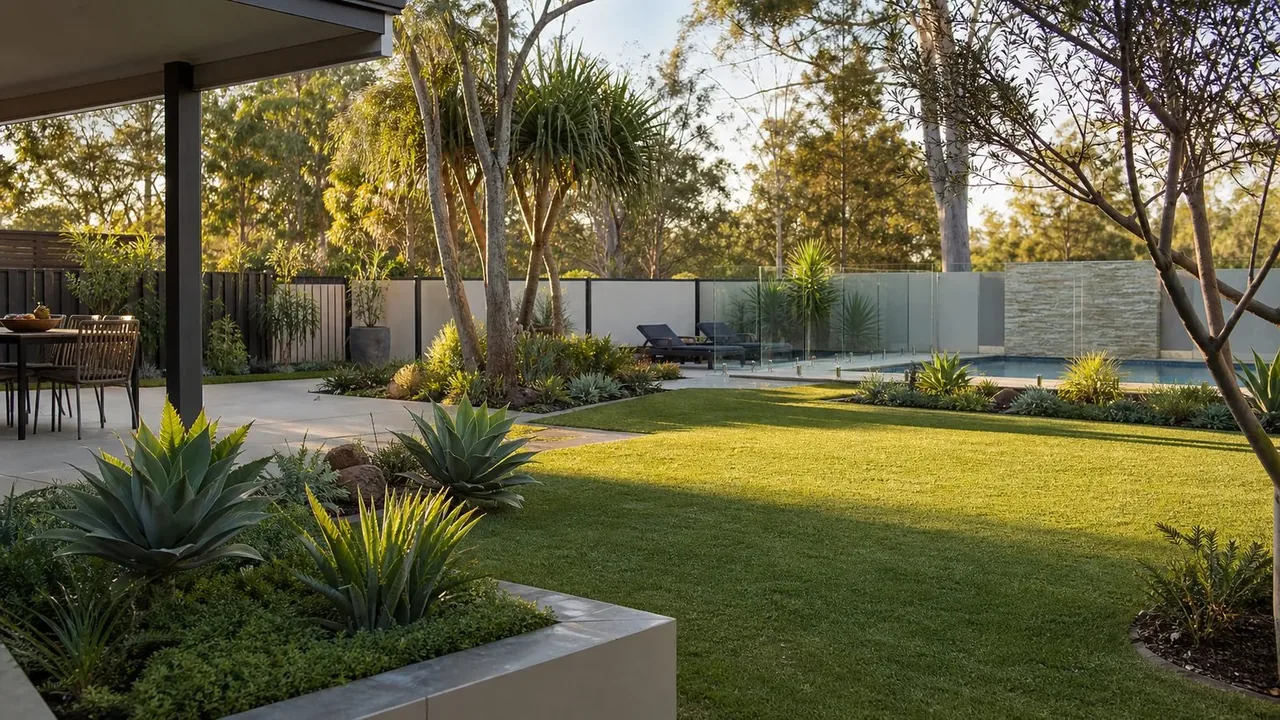
Map the dry pattern before changing the controller
Draw the lawn and beds, then mark each dry or unusually wet area. Add the approximate positions of visible sprinklers and label the stations as they appear on the controller. If you do not know which station serves an area, record that as a question rather than guessing. Photograph the pattern before making changes. A dry crescent beside paving, a strip behind a shrub and an entire weak station suggest different investigations. A picture of the brown grass alone does not show whether water reached it or what happened after it arrived.
Write down when the pattern began and what changed beforehand. Recent planting, a repaired head, a new lawn edge or other water use during irrigation may be relevant. Keep the original controller settings in a photograph so changes can be traced. Do not respond by increasing every station's run time. That can add water to areas already receiving enough while leaving a blocked or poorly directed section deficient. For an established Pakenham garden, the layout may have changed substantially since irrigation was first installed. The aim is to compare the current landscape with the actual delivery pattern, not assume the original arrangement still fits.
Watch a permitted cycle from a safe position
When operation is appropriate under the current local water rules, observe each affected station without opening electrical enclosures or dismantling pressurised parts. Look for heads that fail to rise, lean away from the intended direction, spray a wall or are hidden by grass. Watch whether the spray reaches its intended area and whether plants or furniture interrupt it. Note water bubbling from an unexpected location or pooling around a component. Keep clear of damaged equipment and stop a test if there is an obvious leak or unsafe condition.
Observe more than the first moment of operation. Some problems become apparent as a station runs, while a brief initial discharge may not describe its settled performance. Record a short video from a fixed position showing the whole pattern, not just the sprinkler. Note wind and any other water use at the time because they can affect what you see. Do not convert one windy observation into a permanent redesign. If you cannot operate the system appropriately, photographs of components and the controller still make a useful starting brief. The guide deliberately provides no watering timetable; current local requirements and the garden's needs must be checked separately.
Separate one-head faults from station-wide problems
If neighbouring heads perform normally while one behaves differently, begin by documenting that local difference. The issue may involve obstruction, damage, adjustment or a component mismatch, but observation alone does not settle which. Record the visible make and model if available without dismantling anything. If all heads on one station look weak, a local nozzle adjustment may not address the shared cause. Describe whether another station behaves normally under comparable conditions. That comparison helps an irrigation technician decide where measurements and testing should start.
Rain Bird's homeowner design guidance explains that nozzle choice and coverage arrangement affect delivery. Its support material also treats low pressure, blocked components and equipment problems as distinct troubleshooting possibilities. These are diagnostic categories, not a recommendation to purchase a particular brand. Avoid mixing replacement components simply because they fit the same thread. Ask whether the discharge characteristics suit the rest of the station and whether supply conditions have been measured. A new head can appear to work while applying water differently from its neighbours. Keep packaging or part numbers from previous repairs, because an unexplained change in equipment can be important evidence.
Check the bed separately from the lawn
A garden bed supplied by drip irrigation can have a very different fault pattern from a sprayed lawn. Visible wetness at one point does not prove every plant's root area receives water. Look for lines displaced during weeding, damaged sections, outlets buried by recent work and plants that have grown beyond their original watering arrangement. Compare a healthy plant and a struggling one in the same bed. Record where the delivery points sit relative to each plant rather than assuming the tubing follows the current planting layout.
Keep inspection gentle and avoid pulling hidden lines through roots or mulch. Ask the installer how the particular system should be checked and maintained. Some problems need flushing, pressure assessment or component replacement, and those procedures depend on the equipment. Do not improvise by puncturing extra holes in tubing or removing parts at random. If a bed and lawn share controls, ask whether their delivery and scheduling needs have been considered together. A schedule suitable for one planting area may not describe another. The quote should explain whether it is repairing a fault, reconfiguring delivery or changing the way different areas are controlled.
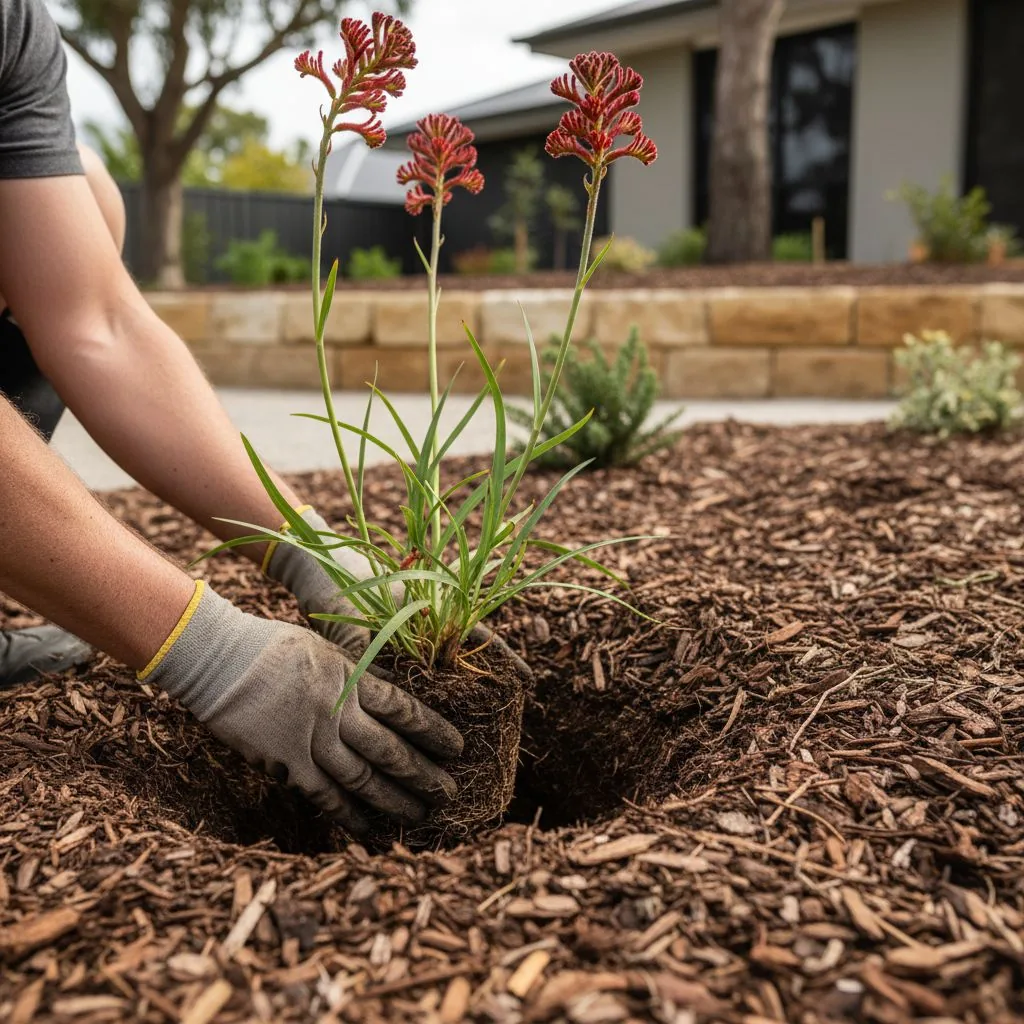
Compare distribution with what the ground receives
Water can reach the surface without remaining where roots need it. Observe whether it runs off onto paving, collects in a hollow or disappears into one narrow channel. Note the condition of the soil when checking plant needs using a suitable, non-destructive method. Do not assume that a dry-looking surface always means the root area is dry, or that a wet surface means the whole root area is adequately supplied. A practical assessment considers both the equipment's distribution and the garden's response. This is especially useful when more watering has made one part soggy while another stays stressed.
A technician may use catch containers or other measurements to compare application across a lawn. Ask for the results and what they imply rather than accepting a general statement that coverage is good. If a household performs a simple comparison, use matching stable containers in an unobstructed area, record conditions and avoid treating the result as a complete system design. Unequal collections identify a distribution question; they do not alone tell you the right run time or plant requirement. The next decision should be based on the combined evidence from coverage, soil response and site conditions. That prevents a timer adjustment from masking a physical problem.
A hypothetical dry strip beside a hedge
Imagine a Pakenham lawn with a dry strip next to a hedge. The owner has increased watering, and the open centre of the lawn is now noticeably wetter. During an observed cycle, the hedge's lower foliage interrupts part of the spray. The owner also notices that a head near the edge leans away from its intended direction. These observations suggest an irrigation assessment before replacing the grass. They do not establish that hedge pruning alone is suitable, because plant condition and the intended screen still need consideration.
In this hypothetical example, the repair discussion separates restoring the head's position, assessing the coverage layout and checking the hedge's mature footprint. The controller schedule is reviewed after the delivery issue is addressed. The household keeps the before photographs and compares the same area during a later appropriate operating cycle. No particular recovery date is promised for the lawn. The next check is whether the system still delivers water to the intended space now that plants, edges and household use have changed around it.
Avoid adjustments that make diagnosis harder
Changing several settings and components at once makes it difficult to know what helped. Record the starting point, agree a sequence and keep a note of each change. Avoid replacing all heads before checking whether the problem affects one station, one component or a changed garden layout. Do not assume a smart controller can compensate for blocked spray or a leaking pipe. Controls influence when a system operates; the physical arrangement determines where much of that water goes. Ask for both parts of the system to be considered where the evidence points to both.
Another mistake is ignoring excess water because the original complaint was dryness. A wet patch may reveal a leak, poor distribution or an unsuitable schedule, and it belongs in the same assessment. Avoid DIY work on mains electrical controls and unfamiliar pressurised components. Use manufacturer instructions and the appropriate trade for repairs. At the quote stage, distinguish a diagnostic visit from an agreed repair scope so expectations are clear. Ask whether replacement parts, adjustment, testing and reinstatement are included. A technician should explain any unresolved issue, particularly where a measured supply problem or concealed damage needs further investigation beyond a simple component replacement.
Ask for a repair record you can use later
Prepare your controller photos, station map, pattern photographs and notes on recent garden changes. Include equipment model numbers that can be read safely and list the stations you cannot identify. Explain whether the fault is constant or intermittent and whether it happens during other household water use. Keep plant symptoms separate from equipment observations. For example, 'the back-left head does not rise' is a useful direct observation; 'the whole irrigation system is undersized' is a conclusion that needs measurements. This distinction helps the person quoting target their checks without inheriting an untested diagnosis.
At handover, request an updated station map, a list of parts changed and an explanation of any new settings. Ask to see the relevant stations operate appropriately and confirm that intended areas receive coverage without obvious overspray or leakage. Keep the original and final settings together so future changes are deliberate. Review the garden again as plants grow or surfaces change, since an irrigation layout is not independent of its surroundings. The page tool produces a fault brief for discussion, not an automatic watering prescription. A useful repair leaves you knowing what was found, what was changed and what still needs observation, rather than simply seeing a different number on the controller.